




All India Scholarship Helpline : 8050067687

Qodo

Last Update On

Staff 3

Qodo: AI Powered Code Review and Code Quality Platform

CIGMA Pedia Whatsapp Community

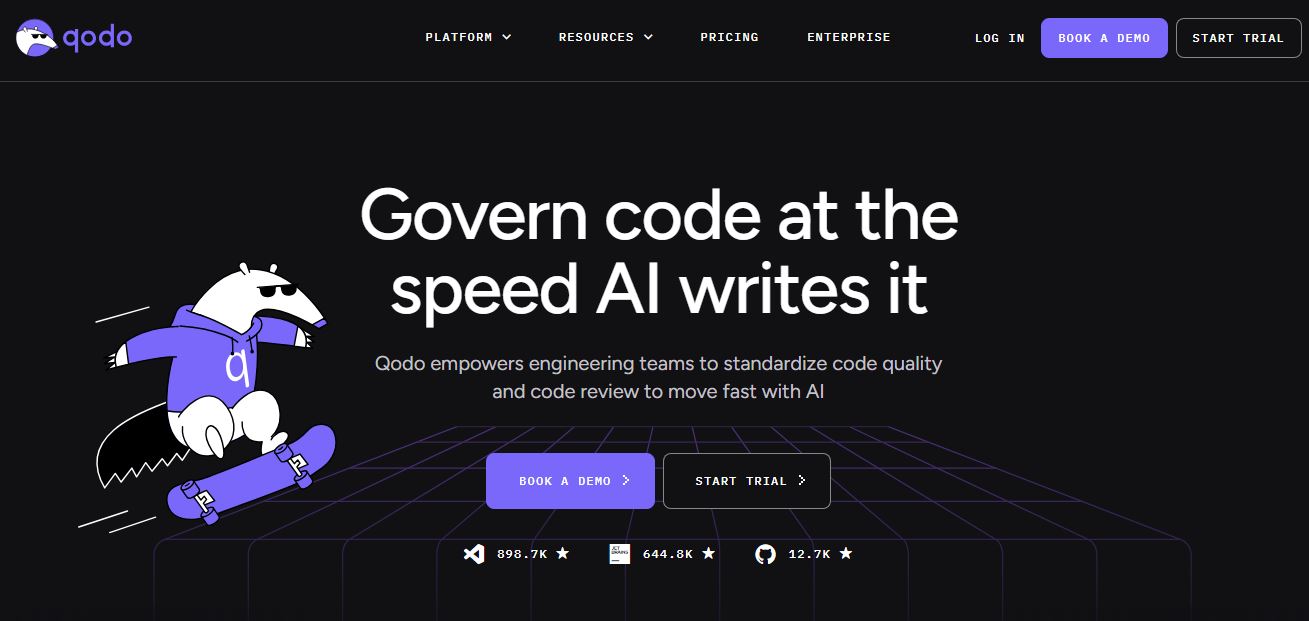
Qodo: AI Powered Code Review and Code Quality Platform Qodo is an AI-powered code quality platform designed to help software teams review, test, and improve code faster. It provides context-aware AI code reviews across pull requests, IDEs, CLI, and Git workflows. Qodo can identify bugs, logic problems, missing tests, and coding issues while helping teams enforce their development standards. It supports major programming languages and works with platforms such as GitHub, GitLab, Bitbucket, and Azure DevOps.
5 Benefits of Using of Qodo

  1. Saves Time – Qodo automatically reviews code changes and highlights important issues, reducing the amount of manual checking developers need to do.
  2. Improves Code Quality – AI-powered reviews can identify bugs, logic gaps, and other problems before code reaches production.
  3. Reduces Review Workload – Automated pull request reviews handle repetitive checks, allowing developers to focus on complex technical decisions.
  4. Maintains Coding Standards – Teams can create rules and apply them consistently across repositories and development workflows.
  5. Works With Existing Tools – Qodo integrates with popular Git platforms and development environments, so teams do not need to completely change their existing workflow.

Features of Qodo

  • AI Code Review: Qodo automatically reviews pull requests and provides context-aware feedback. It can identify critical issues, logic gaps, potential bugs, and code quality problems before changes are merged.
  • Agentic Issue Finding: Qodo uses AI agents to investigate code changes and provide actionable findings instead of simply checking syntax. This helps developers understand problems and fix them faster.
  • Cross-Repository Context: Qodo can understand relationships between repositories and code components. This helps identify issues such as breaking changes and dependency conflicts that may not be visible in a single pull request.
  • Rules and Standards: Teams can create rules for their coding standards and development practices. Qodo can apply these rules during code reviews to help maintain consistent quality across projects.
  • Git and IDE Integrations: Qodo works with GitHub, GitLab, Bitbucket, Azure DevOps, and supported IDEs such as VS Code and JetBrains IDEs. This allows developers to use AI code review within their existing workflow.

Also Check : ZCI Scholarship 2026 for UG Students

5 Problems with their solutions that Qodo can solve it

1. Problem: Manual code reviews take too much time

Solution: Qodo automatically reviews pull requests and highlights potential issues, helping developers complete reviews faster.

2. Problem: Important bugs can be missed during code review.

Solution: Qodo’s AI-powered issue finding checks code changes for critical issues, logic gaps, and other potential problems.

3. Problem: Coding standards are difficult to maintain across large teams.

Solution: Qodo’s rules system allows teams to define and consistently enforce development standards.

4. Problem: Changes in one repository can affect another repository.

Solution: Qodo’s cross-repository context helps identify relationships, dependency conflicts, and possible breaking changes.

5. Problem: AI-generated code can introduce quality issues.

Solution: Qodo provides an independent review layer that checks AI-written and human-written code before it is merged and shipped.

Frequently Asked Questions about Qodo

Q1. What is Qodo used for?
Qodo is used for AI-powered code review, code quality management, testing, and enforcing software development standards.

Q2. Which platforms does Qodo support?
Qodo supports GitHub, GitLab, Bitbucket, and Azure DevOps. Enterprise customers can also use Gerrit.

Q3. Does Qodo support different programming languages?
Yes. Qodo supports major programming languages, including Python, Java, JavaScript, TypeScript, Go, C#, C++, Kotlin, Ruby, PHP, Swift, and others.

Q4. Is Qodo free?
Qodo offers a 14-day free trial with unlimited reviews and credits. It does not currently offer a permanent general free tier, although qualified open-source projects can apply for free access.

Q5. Does Qodo train AI models on my code?
According to Qodo, it does not train AI models on customers’ code. Code is used to generate reviews for the customer’s team.

Qodo: Pricing Plan

14-Day Free Trial – $0
Qodo provides a 14-day free trial with unlimited reviews and credits. No credit card is required to start the trial.

Pro Team – $30 per Month
The Pro Team plan starts at $30 per month and uses a credit-based system. It includes agentic PR code review, unlimited rules, Git and IDE integrations, pre-PR review skills, dashboards, and analytics. Credit packs include 2,500 credits, 5,000 credits, and 20,000 credits, with larger packs available.

Enterprise – Custom Pricing
The Enterprise plan is designed for larger organizations. It adds features such as SSO/SAML, audit logs, governance analytics, advanced self-learning, cross-repository capabilities, BYOK, single-tenant SaaS, on-premises or air-gapped deployment, Gerrit support, and dedicated support.

Also Check : Video Editing Work from Home Internship at Tuhin Adhikary

Conclusion

Qodo is a powerful AI code review and code quality platform for modern software development teams. Its automated reviews, agentic issue detection, cross-repository context, rules system, and Git and IDE integrations can help teams find problems earlier and maintain better coding standards. With a 14-day free trial, a Pro Team plan starting at $30 per month, and customizable Enterprise options, Qodo provides solutions for both growing development teams and large organizations

Also Check : Geniea: AI Prompt Optimization Tool for Better Creative Results